



In boiler and cooling water circulation systems, reverse osmosis permeate, used as makeup water, significantly reduces scaling and corrosion, improving operational efficiency and equipment lifespan.
In the automotive and architectural glass cleaning industries, using reverse osmosis permeate prevents water stains from appearing on surfaces.
In laboratories and analytical testing institutions, reverse osmosis is a standard configuration for preparing various levels of laboratory water.
The performance of a reverse osmosis system is affected by multiple factors. Feed water quality is crucial, requiring diversified and thorough pretreatment. Parameters such as operating pressure, temperature, and recovery rate (the ratio of permeate to feed water) need optimized control. Membrane fouling (such as scaling, organic matter adsorption, and microbial growth) is a major problem encountered during operation, requiring mitigation through regular chemical cleaning and improved pretreatment. Membrane elements themselves have a lifespan and require periodic evaluation and replacement.
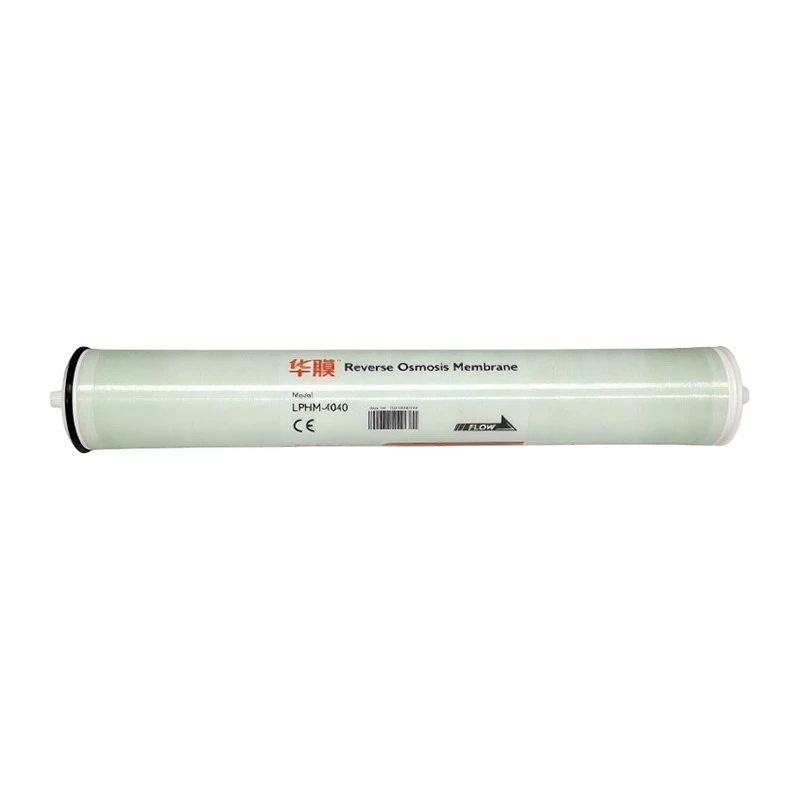
As a highly efficient membrane separation technology, reverse osmosis systems have applications ranging from daily drinking water purification to large-scale industrial water production, from addressing regional water shortages to realizing wastewater resource recovery. It plays a vital role in ensuring production quality, promoting resource conservation, and protecting the environment by providing stable and reliable water quality solutions. With advancements in materials science and process technology, its application scope and operational economics are expected to be further expanded and improved.