



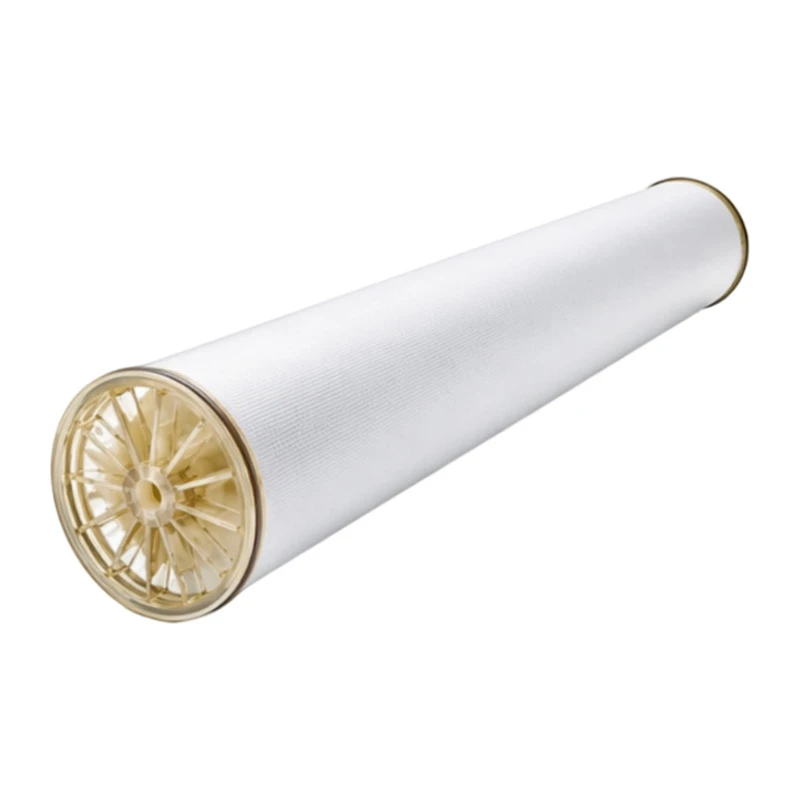
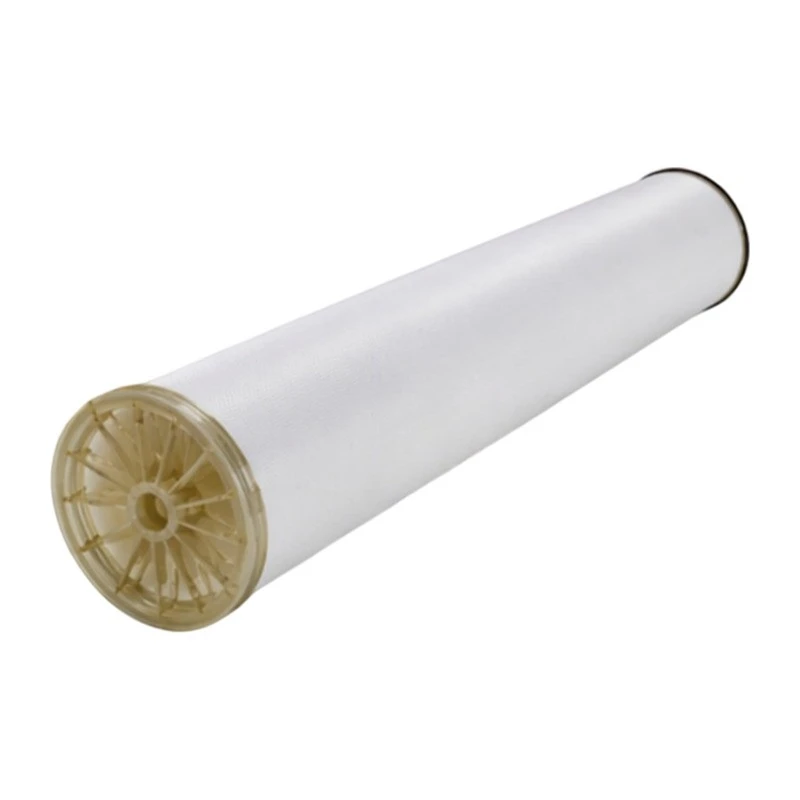
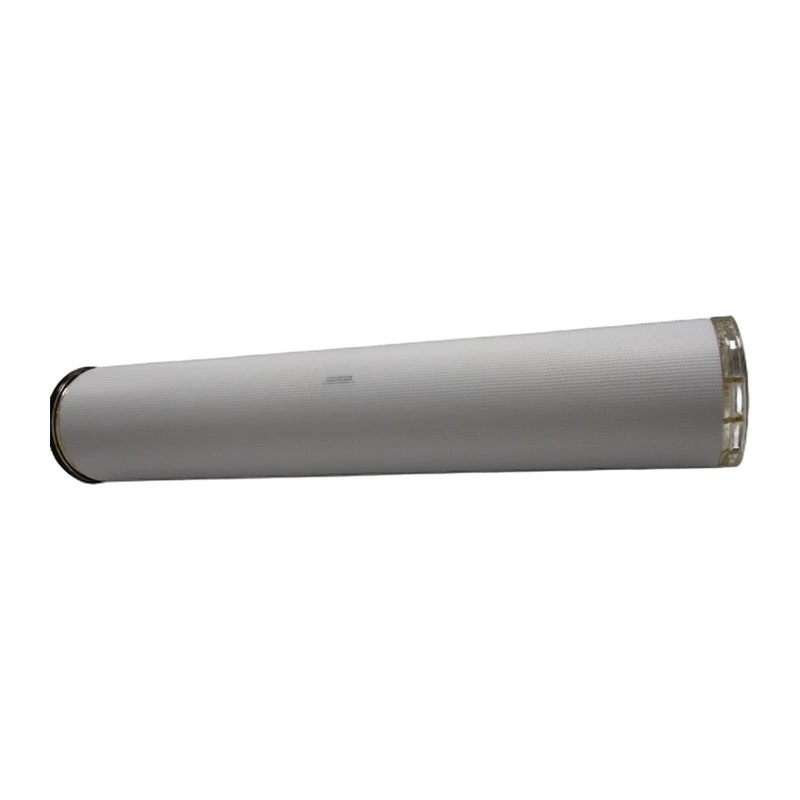
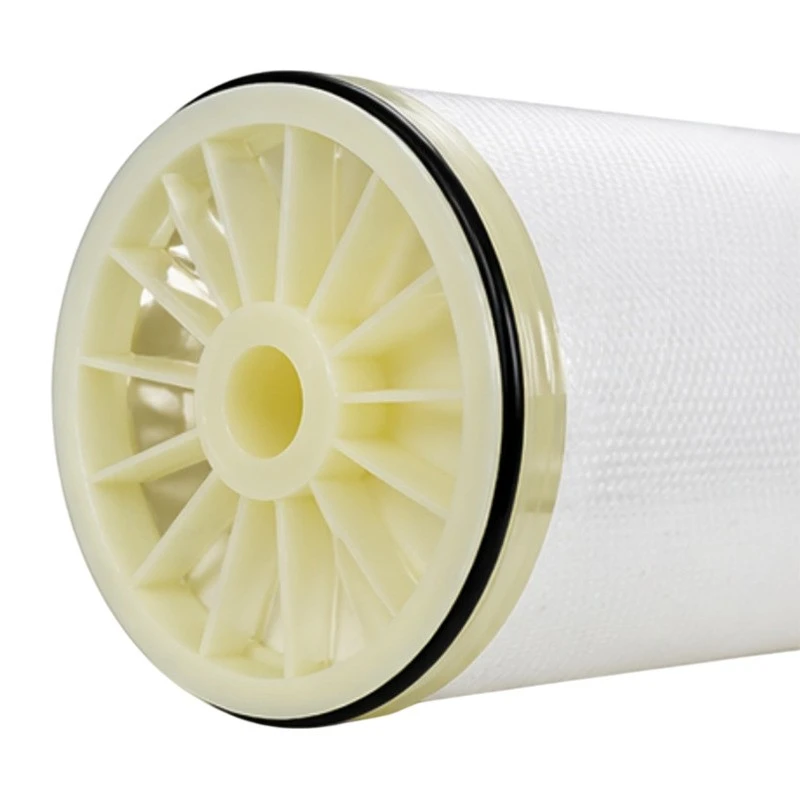

Fujian Huamo Technology Co., Ltd. is one of the most reliable manufacturers and suppliers of high temp ro for power plant in China. If you're going to wholesale bulk high temp ro for power plant made in China, welcome to get catalog and price list from our factory. All custom made products are with high quality and competitive price. Also, OEM service is available.
Product Details
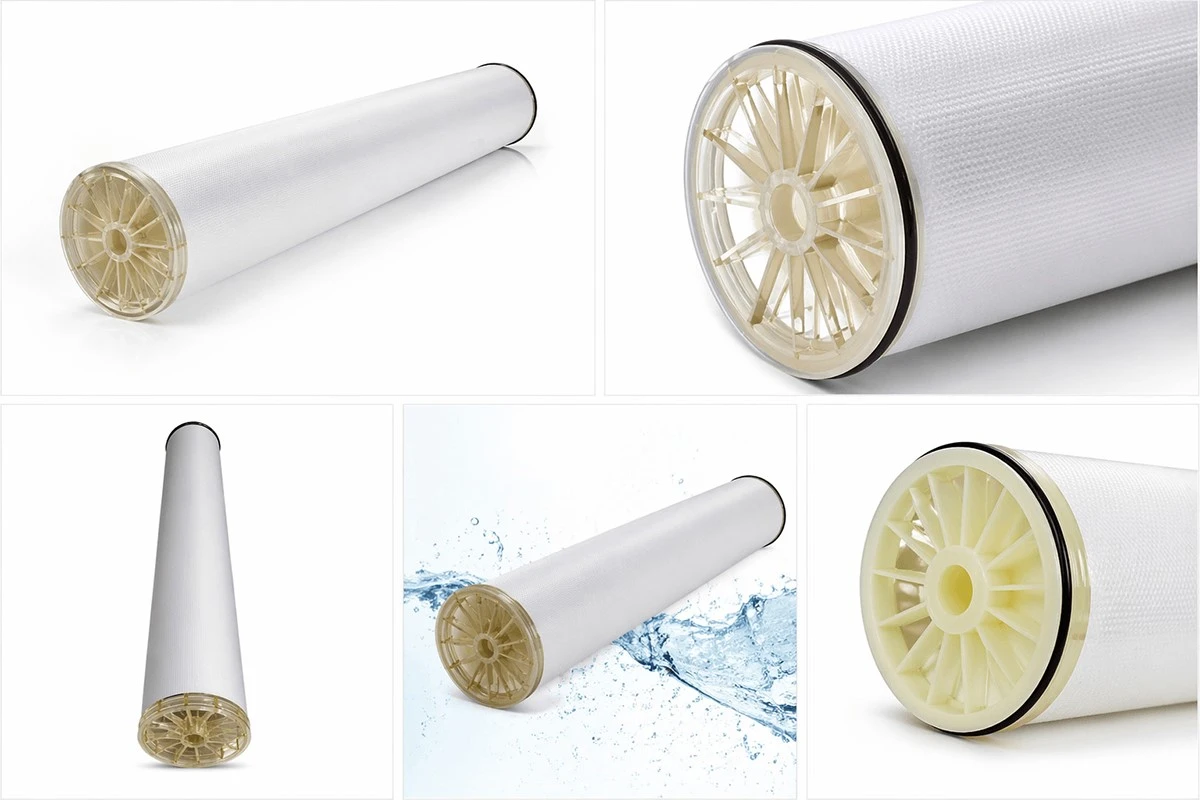
High temp RO for power plant applications requires membrane elements capable of maintaining stable salt rejection and permeate production under elevated temperatures and demanding operating conditions. The RST8040-HS1 is a high temperature RO membrane developed for boiler feed water treatment, power plant make-up water purification, and other industrial systems where conventional membranes may face thermal limitations.
As a hot water sanitizable RO membrane, this element supports high-temperature operation up to 55°C and thermal sanitization at 85°C, helping reduce biofouling risks while maintaining membrane integrity. With a nominal salt rejection of 99.7% and 8,800 GPD permeate flow, it is suitable for high-purity water production in power generation environments.
Product Specifications
Category | Specification | Engineering Description |
Membrane Model | RST8040-HS1 | 8-inch spiral-wound RO element designed for industrial high-temperature service |
Membrane Type | Hot Water Sanitizable RO Membrane | Supports thermal cleaning in systems requiring periodic hot water sanitization |
Element Size | 8 inch | Standard industrial housing compatibility |
Effective Membrane Area | 380 ft² (35.2 m²) | Provides active filtration surface for stable permeate production |
Permeate Flow Rate | 8800 GPD (33.3 m³/day) | Rated output under standard test conditions |
Test Feed Solution | 1500 mg/L NaCl | Standard sodium chloride solution used for performance verification |
Test Pressure | 225 psi (1.55 MPa) | Baseline hydraulic condition for membrane performance evaluation |
Test Temperature | 25°C | Reference temperature for standardized testing |
Recovery Rate | 15% | Hydraulic recovery level under test conditions |
Salt Rejection (Nominal) | 99.7% | Typical dissolved solids removal performance |
Salt Rejection (Minimum) | 99.4% | Lower limit under controlled testing conditions |
Feed pH (Test Condition) | 6.5 – 7.0 | Standard neutral feed range for performance validation |
Maximum Operating Pressure | 600 psi (4.14 MPa) | Upper pressure limit for continuous industrial operation |
Maximum Operating Temperature | 55°C | Designed thermal operating ceiling for high temp RO for power plant systems |
Feed Water pH Range | 2 – 10 | Operational tolerance range for variable industrial water quality |
Cleaning pH Range | 1 – 12 | Chemical cleaning compatibility for CIP procedures |
Maximum Free Chlorine | <0.1 mg/L | Chlorine tolerance limit to prevent membrane oxidation |
Maximum Pressure Drop (per element) | 60 psi (0.41 MPa) | Hydraulic limit to maintain stable flow distribution |
Recommended Sanitization Temperature | 85°C | Thermal disinfection condition for hot water sanitizable RO membrane operation |
Sanitization Pressure | 0.17 MPa | Controlled pressure during hot water cleaning cycle |
Pre-heat Stabilization Limit | ≤45°C | Maximum ramp-up temperature before full thermal operation |
Why Use High Temp RO Membrane for Power Plant Water Treatment?
Selecting the right high temp RO for power plant operation is not only about permeate output or salt rejection. In thermal power systems, membrane elements are often exposed to elevated feed temperatures, sanitization procedures, fluctuating water quality, and continuous-duty operating cycles that place additional stress on conventional RO elements.
A hot water sanitizable RO membrane addresses several challenges commonly found in power plant water treatment.
A. Enhanced Thermal Stability for Warm Feed Streams
Conventional RO elements often experience accelerated material aging and decreased rejection when exposed to warm process water. Our high-temperature RO membrane is specifically formulated with a reinforced polyamide layer that maintains its pore structure and flux consistency even at 55°C, ensuring the stability of your water treatment train.
B. Biofouling Control via Thermal Sanitization
Biological growth in power plant RO systems can lead to increased differential pressure and reduced system efficiency. By utilizing a hot water–sanitizable RO membrane, plant operators can implement 85°C thermal disinfection protocols. This physical sanitation method penetrates biofilms more effectively than chemicals alone, extending the intervals between intensive chemical cleanings.
C. Superior Protection for Downstream Boilers
For boiler feed water RO membrane applications, consistent dissolved solids removal is non-negotiable. With a nominal rejection of 99.7%, the RST8040-HS1 reduces the ionic load on downstream ion-exchange (IX) or electrodeionization (EDI) units, preventing scaling in high-pressure steam generators and turbines.
D. Continuous-Duty Reliability
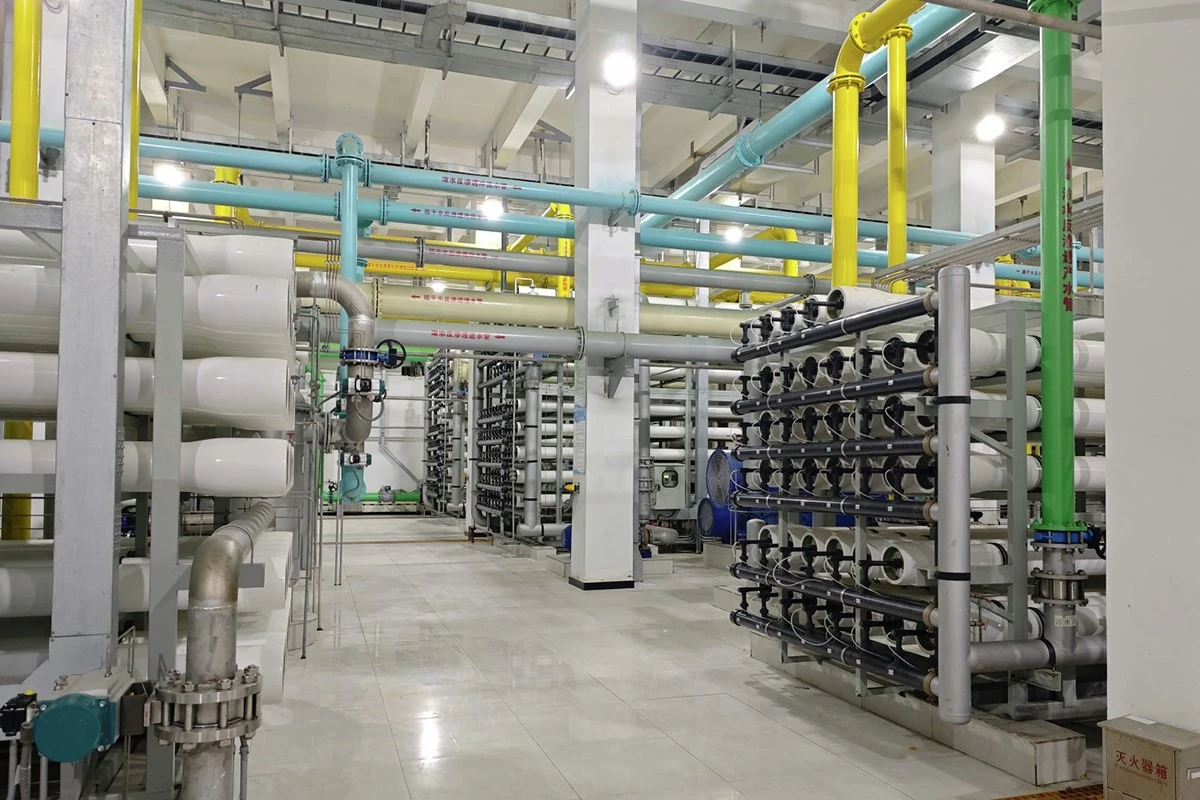
Power plants demand 24/7 reliability. Our dedicated power plant reverse osmosis membrane is designed for the rigorous duty cycles of the energy sector, supporting a wide operating pH range and high-pressure tolerance to handle fluctuating raw water chemistries.
FAQ
1. Is it suitable for boiler feed water treatment systems?
Yes. The element is commonly applied in boiler feed water RO membrane systems where consistent dissolved solids removal is required to protect downstream boilers and polishing units.
This membrane is designed with a thermally stable spiral-wound structure that allows controlled hot water sanitization up to 85°C. It maintains rejection performance after repeated thermal cycles when operated within specified pressure and differential limits.
2. What is the salt rejection performance under standard conditions?
Under test conditions (1500 mg/L NaCl, 225 psi, 25°C), the membrane provides:
Nominal rejection: 99.7%
Minimum rejection: 99.4%
3. What type of feed water is recommended?
The membrane is designed for pretreated industrial water with feed pH between 2–10 and low free chlorine levels (<0.1 mg/L). It is typically used after standard pretreatment in power plant systems.
4. What is the maximum operating pressure?
The maximum operating pressure is 600 psi (4.14 MPa), which supports high-pressure industrial desalination applications.
5. What is the recommended temperature before full thermal operation?
The pre-heat stabilization limit is ≤45°C to ensure controlled transition into higher temperature operating conditions.